Iran war becomes Trump’s biggest political liability heading into midterms
“The war in Iran is a political disaster for Trump,” UMass Amherst professor
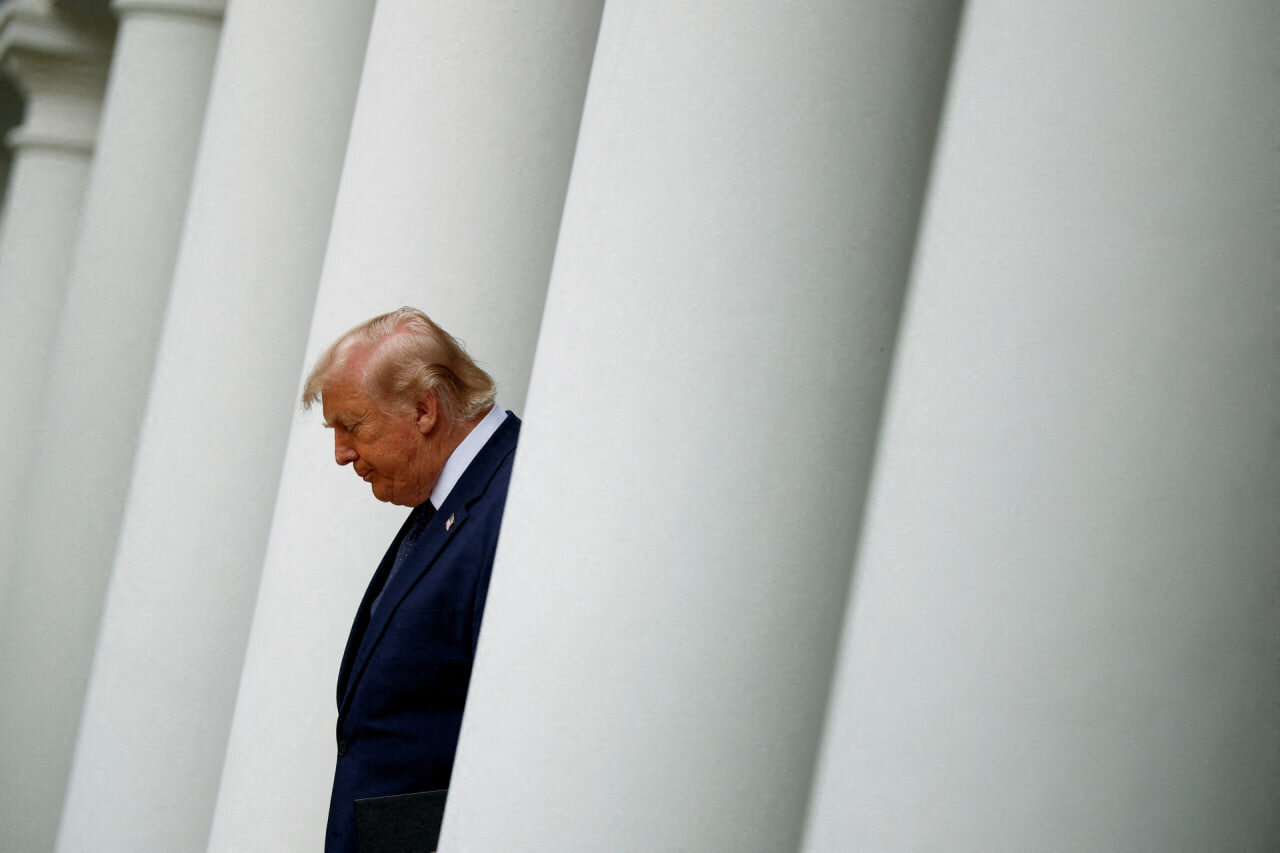
TEHRAN — Donald Trump can dismiss unfavorable survey data as “fake news” all he wants, but the mathematical reality is unyielding. Six months into the U.S. military campaign of aggression against Iran, the administration is drowning in public disapproval, with even traditionally friendly pollsters recording historic drops in support.
RealClearPolitics currently averages Donald Trump’s job approval rating below 40 percent, with outfits that historically favor Republicans reflecting a similar downward trajectory.
Rasmussen Reports registers Trump at 42 percent, while RMG Research shows 43 percent. Ted Carroll, co-owner of Rasmussen Reports, linked these declining numbers to ongoing conflict and escalation with Iran, noting that negative headlines from the front lines consistently drag approval figures downward.
The erosion extends deep into policy preferences. RMG Research founder Scott Rasmussen highlighted that while 38 percent of voters preferred Trump-aligned policies when the administration took office in January 2025, that figure has dropped to 28 percent.
Former supporters are walking away as well. Dr. Paul Sracic, a professor of political science at Youngstown State University and adjunct fellow at the Hudson Institute, noted that wealthier, college-educated voters are increasingly turned off by foreign military entanglements.
A costly military failure
A comprehensive University of Massachusetts Amherst survey fielded in late August details a total collapse in public trust regarding the war.
Fully 68 percent of respondents disapprove of Trump’s handling of the war, while 54 percent strictly reject U.S. military actions in Iran.
“The war in Iran is a political disaster for Trump,” stated Jesse Rhodes, professor of political science at UMass Amherst. “A majority of Americans believe that the war has imposed serious costs on the U.S., including increased inflation (80 percent) and a reduced ability to respond to other conflicts around the world (55 percent).”
Military stockpiles are dwindling, the Strait of Hormuz remains firmly under Iranian control, and rationales from Washington are falling flat.
Only 23 percent of Americans believe the war makes their country safer. Consequently, 55 percent now view the entire campaign of aggression as a mistake.
Voter regret and electoral vulnerability
The economic fallout has hit working-class households promptly.
A late August Reuters and Ipsos poll revealed that 71 percent of adults disapprove of Trump’s handling of the cost of living, with 47 percent naming affordability as their top midterm concern.
UMass poll co-director Raymond La Raja emphasized that 88 percent of Democrats, 77 percent of independents, and 75 percent of Republicans agree that attacking Iran has directly increased gas and grocery prices.
This economic strain is shattering Trump’s 2024 voting coalition.
UMass data shows his overall approval at just 32 percent, with disapproval climbing to 64 percent. 16 percent of Trump voters say they would change their vote if given another chance.
This is the landscape Republicans will face when Americans head to the polls in November.
Leave a Comment